
Rebuke Meaning in Bible can hold profound spiritual significance. The term “rebuke” appears frequently in the Bible, but its true meaning and implications are often misunderstood.
This article explores the rebuke meaning in Bible scriptures, shedding light on why understanding this concept is crucial for personal growth and spiritual development. This powerful term carries deep weight, revealing not just the importance of correction but the love behind it.
The concept of rebuke can enhance your understanding of faith and foster healthier relationships. The term “rebuke” is often associated with discomfort, yet its biblical meaning is far more nuanced and essential. This helps you recognize the potential for growth that comes from being challenged.
What Does Rebuke Means?
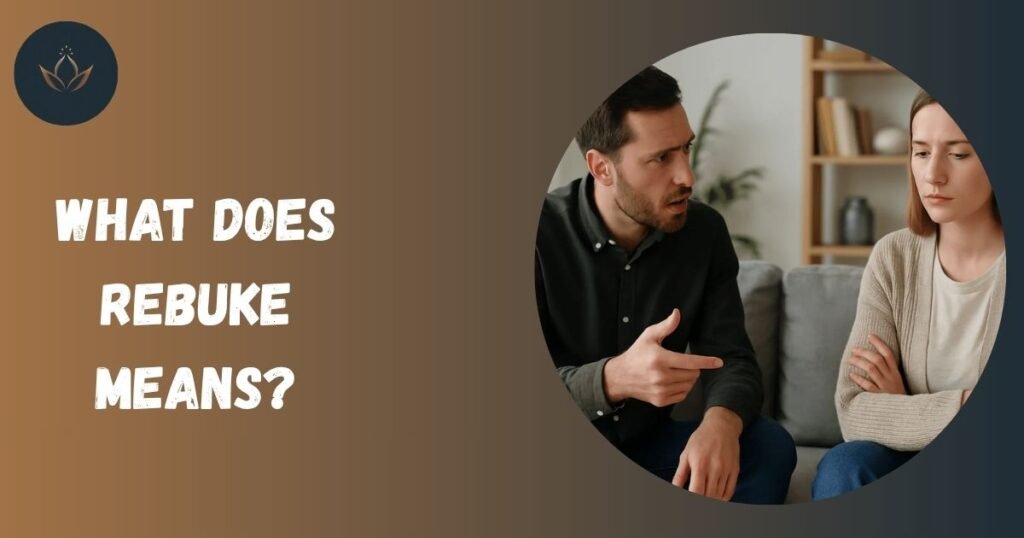
Rebuke meaning in the Bible carries a dual significance; it is both an act of correction and an expression of care. In scriptural contexts, rebuke serves not only to confront wrongdoing but also to encourage growth and accountability.
Proverbs 27:5 highlights the value of open rebuke as a sign of true friendship, shedding light on how constructive criticism can fortify relationships. The act of rebuking in biblical narratives frequently underscores divine justice and righteousness.
Rebukes call people back to their moral compass, reaffirming values that align with compassion and integrity. This perspective reveals that rebuke is not merely punitive; it’s an invitation to reflect, repent, and ultimately transform.
The rebuke meaning in the Bible can inspire a culture of understanding, accountability, and authentic connection.
Rebuked Meaning in the Bible
The rebuke meaning in the Bible carries profound significance, emphasizing both divine correction and human accountability. When God rebukes His followers, it is not merely a reprimand; it is a loving intervention designed to steer one back to the path of righteousness.
Proverbs 3:11-12, highlights that the Lord disciplines those He loves, equipping them with wisdom and moral clarity. This indicates that rebuke is tied closely to growth and transformation, allowing individuals to realign their lives with God’s purposes.
The concept of rebuke transcends mere admonishment. In the New Testament, Jesus exemplifies this in His interactions, from chastising the Pharisees for their hypocrisy to lovingly correcting His disciples.
The meanings in the Bible unfold as a tool for revealing truth, encouraging humility, and fostering deeper relationships among believers. Engaging in honest and constructive rebuke within the church community not only cultivates accountability but also exemplifies the grace inherent in true fellowship.
Spiritual Meanings of Rebuke
Rebuke, as depicted in the Bible, transcends mere correction; it serves as a divine pathway to growth and enlightenment. When one is rebuked, especially from a spiritual perspective, it often reflects a loving nudge towards self-awareness and deeper understanding.
This sacred act encourages individuals to confront their shortcomings, pushing them to pursue righteousness and inner harmony. Each rebuke is not just a reflection of failure but also an invitation to reflect, recalibrate, and realign with one’s higher purpose.
The essence of rebuke is intertwined with love and mercy, akin to a gardener pruning a plant for its optimal growth. This transformative process unveils the beauty that often lies dormant beneath the surface.
Rebuke fosters resilience, teaching us to view challenges as opportunities for spiritual awakening. It becomes clear that these moments of discomfort are often catalysts for profound personal evolution and strengthened faith.
Biblical Significance of Rebuke
Biblical Significance of Rebuke illustrates that a rebuke, delivered in love, can guide us back to the righteous path, reminding us that God’s voice often comes through the counsel of others.
Proverbs 27:6 states, “Wounds from a friend can be trusted, but an enemy multiplies kisses,” highlighting that the true essence of rebuke is rooted in care and a desire for betterment.
It is not merely an act of correction but a call to deeper relationships. In Hebrews 12:6, we learn that God disciplines those He loves. This suggests that rebuke is fundamentally intertwined with the concept of grace; it indicates an active and ongoing engagement with our moral and spiritual health.
Embracing this perspective shifts the narrative from one of judgment to one of an enriching, divine partnership in our quest for holiness.
Biblical Verses about Rebuke
1 Timothy 5:20
As for those who persist in sin, rebuke them in the presence of all, so that the rest may stand in fear.
2 Timothy 3:16
All Scripture is breathed out by God and profitable for teaching, for reproof, for correction, and for training in righteousness,
Leviticus 19:17
You shall not hate your brother in your heart, but you shall reason frankly with your neighbor, lest you incur sin because of him.
Galatians 6:1
Brothers, if anyone is caught in any transgression, you who are spiritual should restore him in a spirit of gentleness. Keep watch on yourself, lest you too be tempted.
Proverbs 17:10
A rebuke goes deeper into a man of understanding than a hundred blows into a fool.
Matthew 18:15
If your brother sins against you, go and tell him his fault, between you and him alone. If he listens to you, you have gained your brother.
Proverbs 13:1
A wise son hears his father’s instruction, but a scoffer does not listen to rebuke.
Luke 17:3
Pay attention to yourselves! If your brother sins, rebuke him, and if he repents, forgive him,
James 5:20
Let him know that whoever brings back a sinner from his wandering will save his soul from death and will cover a multitude of sins.
Titus 2:15
Declare these things; exhort and rebuke with all authority. Let no one disregard you.
Symbolism of Rebuke in Bible
Rebuke in the Bible often serves as a transformative tool, revealing both the severity and compassion of divine instruction. The rebuke meaning in the Bible transcends mere correction; it invites the faithful to a deeper understanding of their relationship with God and the moral fabric of their lives.
When prophets like Nathan confront kings or when Jesus admonishes His disciples, the act of rebuke becomes a poignant reminder that God’s love is not passive. Instead, it actively seeks to realign us with His purpose and design.
The Biblical narrative often illustrates that divine disapproval is not the end but a redemptive opportunity. In Proverbs, the call to embrace rebuke is seen as a pathway to wisdom and growth.
This underscores the notion that receiving correction, though sometimes painful, can catalyze profound spiritual maturity. The symbolism of rebuke reflects a profound truth: that God desires us to flourish, and His corrective voice, though stern, is laced with the promise of His unwavering grace and guidance.
Conclusions
Rebuke Meaning in Bible serves as an essential tool for correction and growth within the Christian faith. It emphasizes the importance of accountability and guidance, not only in our personal journeys but also in our relationships with others.
FAQs
What does it mean when someone says “I rebuke you”?
When someone says “I rebuke you,” they are essentially expressing strong disapproval or criticism of another person’s actions or statements. The term “rebuke” comes from a place of authority or moral obligation.
What does rebuke mean?
Rebuke refers to the act of expressing sharp disapproval or criticism towards someone, usually in a direct and stern manner. It often implies a sense of authority or responsibility.
What is another word for rebuke in the Bible?
In the Bible, another word for “rebuke” is “reprimand.” This term conveys a similar sense of correction or reprimanding someone for their actions, often with the intention of guiding them back to a righteous path.